Effective Strategies
How crane companies can lower risk to improve insurability
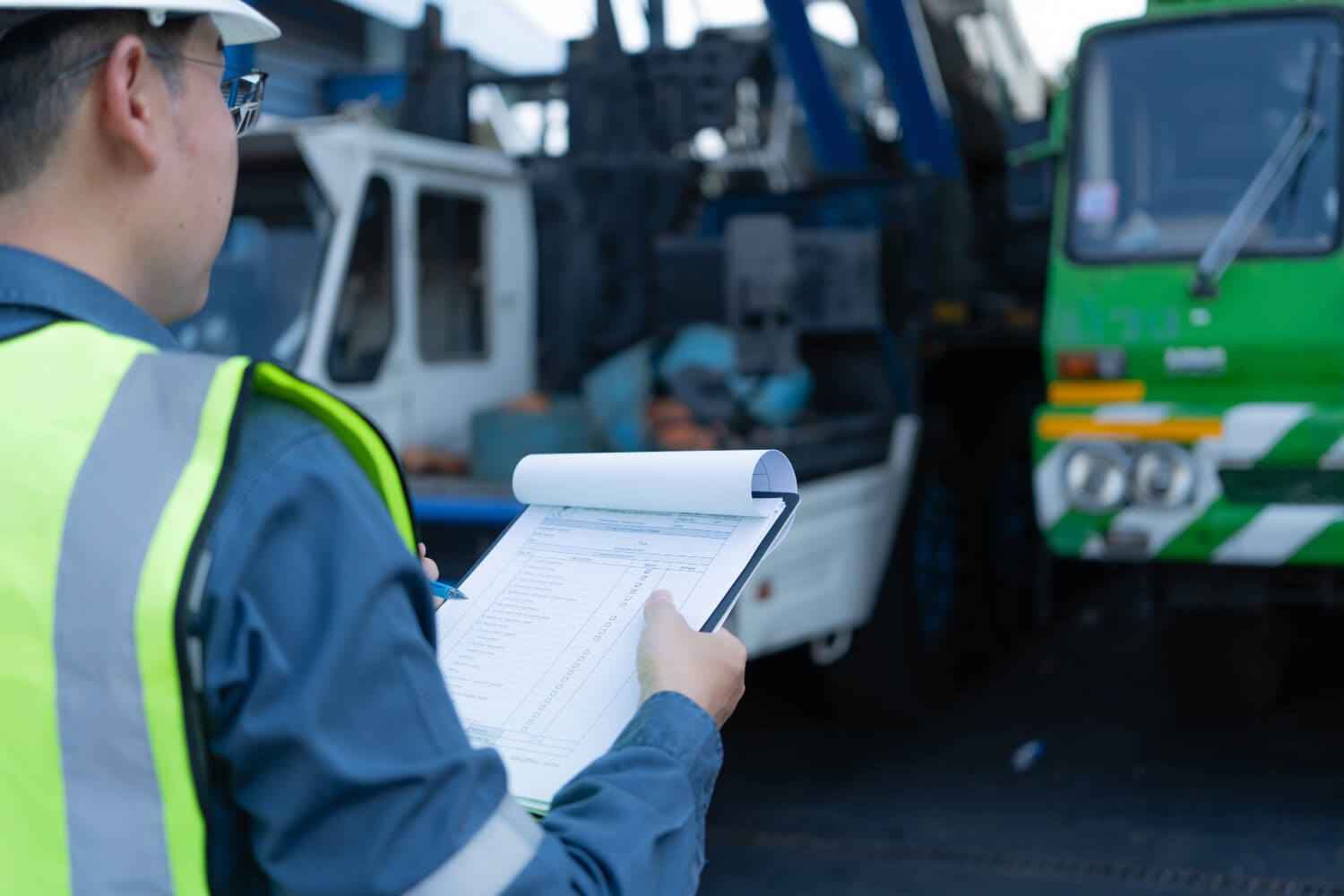
Mobile crane companies, noted New Heights Insurance Solutions, can take steps to lower their risk and obtain better insurance coverage. By implementing robust safety measures, maintaining their equipment correctly, and ensuring compliance with regulations, the provider of specialized coverage for crane rental operations pointed out, they can present themselves as lower-risk clients to insurers.
Here are some strategies that New Heights recommends:
Regular Maintenance and Inspections
- Routine Maintenance: Conduct regular and thorough maintenance checks to ensure cranes are in optimal working condition.
- Scheduled Inspections: Adhere to a strict schedule of inspections, both internal and by certified third parties, to identify and rectify potential issues early.
Training and Certification
- Operator Training: Ensure all operators undergo comprehensive training programs and receive certifications.
- Ongoing Education: Provide continuous education and refresher courses to keep operators up to date with the latest safety practices and technologies.
- Certification Compliance: Maintain up-to-date certifications for both operators and equipment.
Implementing Safety Protocols
- Safety Policies: Develop and enforce strict safety policies and procedures.
- Protective Equipment: Equip operators with necessary personal protective equipment (PPE).
- Incident Response Plan: Create a detailed response plan for accidents or emergencies to minimize impact and liability.
Utilizing Advanced Technologies
- Telematics: Use telematics to monitor crane operations, track usage, and gather data on performance and maintenance needs.
- Safety Features: Invest in cranes with advanced safety features such as anti-collision systems, load moment indicators, and stability controls.
- GPS Tracking: Implement GPS tracking to monitor crane locations and movements, reducing the risk of theft or unauthorized use.
Risk Management Programs
- Risk Assessment: Conduct regular risk assessments to identify and mitigate potential hazards.
- Safety Audits: Perform periodic safety audits to ensure compliance with regulations and internal policies.
- Risk Mitigation Strategies: Develop and implement strategies to minimize identified risks.
Strong Insurance Relationships
- Work with Brokers: Collaborate with experienced insurance brokers specializing in construction or heavy equipment to find the best coverage options.
- Transparent Communication: Maintain open and transparent communication with insurers, providing them with detailed information about safety measures and risk management practices.
Enhancing Site Safety
- Secure Work Sites: Ensure work sites are secure and well-organized to prevent accidents.
- Weather Precautions: Implement procedures to manage operations in adverse weather conditions.
- Clear Signage: Use clear and appropriate signage to indicate potential hazards and safety requirements.
Maintaining a Clean Claims History
- Accident Prevention: To maintain a clean claims history, focus on preventing accidents and incidents.
- Efficient Claims Management: When claims occur, manage them efficiently and transparently to demonstrate responsibility and reliability.
Compliance and Documentation
- Regulatory Compliance: Stay compliant with all relevant local, state, and federal regulations.
- Proper Documentation: Maintain comprehensive documentation of all safety protocols, maintenance records, training certifications, and incident reports.
Employee Well-Being
- Health and Safety Programs: Promote health and safety programs to ensure employees are fit and capable of performing their duties.
- Employee Feedback: Encourage and act on employee feedback regarding safety concerns and suggestions for improvement.
By taking these steps, New Heights advised, mobile crane companies can demonstrate to insurers that they are committed to minimizing risk and operating safely, leading to better mobile crane insurance coverage and potentially lower premiums.
--
Management Solutions
Effectively tracking compliance and managing risk in crane operations often requires a combination of solutions that include:
- Digital Pre-Lift Inspections: Apps that require operators to complete checklists, take photos, and sign off digitally before starting, ensuring accountability.
- Telematics and Remote Monitoring: Devices that provide real-time data on operating conditions, identifying potential failures before they cause accidents.
- Operator Certification Tracking: Systems that alert managers to expiring training and certifications, reducing risks of unauthorized operation.
- Automated Audit Trails: Centralized databases that store all inspection, maintenance, and operator data for audit preparation.
Among the industry suppliers of crane risk management and compliance software are:
- Denxpert Crane, an automated crane lifecycle system for commissioning to periodic inspections, with centralized documentation.
- InspectAll, a specialized management solution for overhead cranes that tracks assets with serial numbers to use in OSHA (1910.179) and ASME inspection forms.
- Konecranes CheckApp/Portal, a dedicated app for pre-shift inspections that offers a digital audit trail and analytics on potential safety risks or operator training needs.
- Redlist, the provider of cloud-based platform for crane rental, rigging, and maintenance that manages daily inspections, preventive maintenance, and compliance reporting.
- Ribbiot, an operations management platform that incorporates compliance and documentation for inspections, certifications, and safety records.
- SafetyCulture (formerly iAuditor), a mobile daily pre-use inspection checklist with photo and video documentation capabilities, and corrective action tracking. www.safetyculture.com/
- SkySoft, which features real-time tracking for inspection progress and automated scheduling for periodic/annual inspections.