
From Classroom to Crane
GCI’s real-world approach to crane training
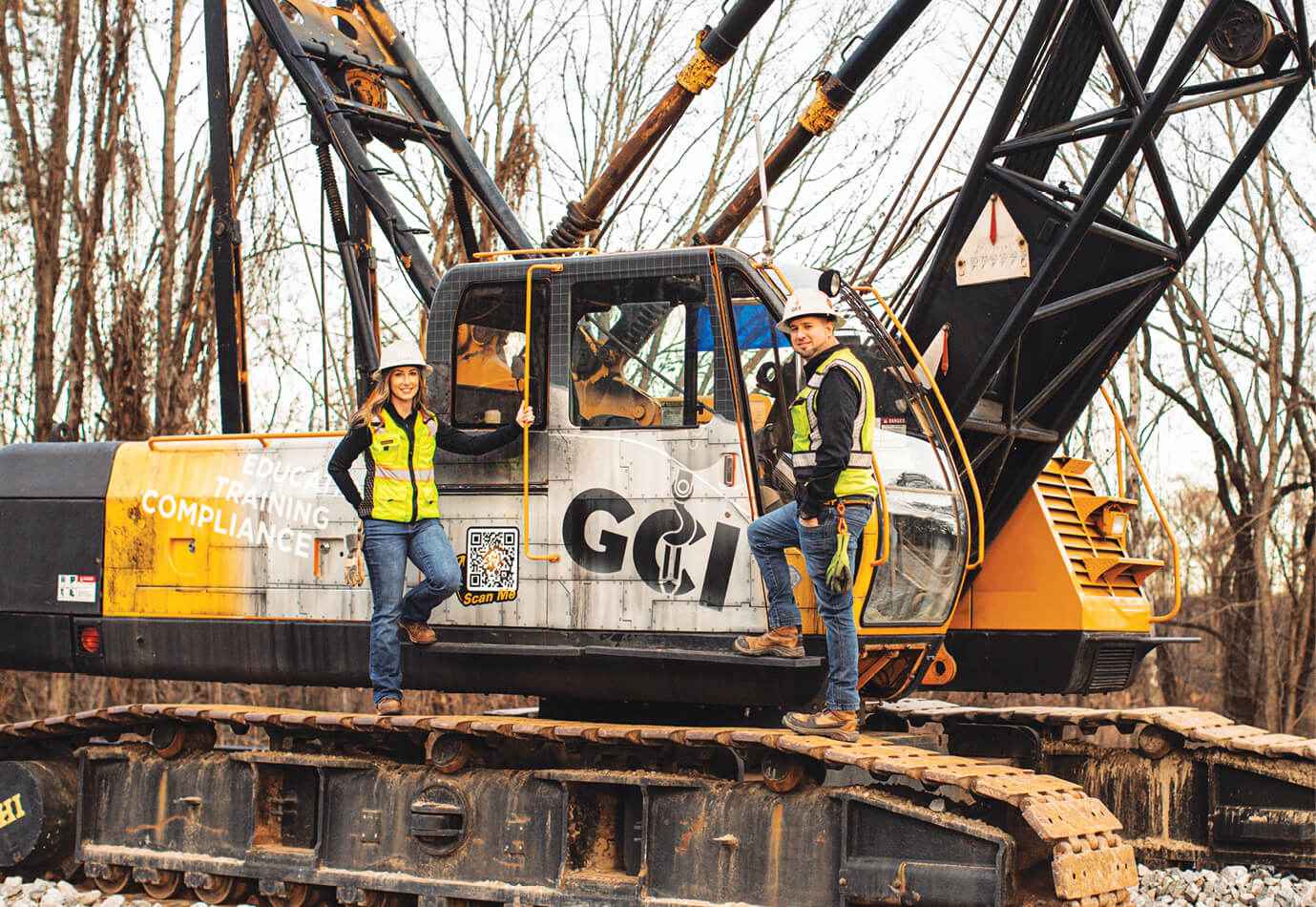
Certification is only part of the equation in crane training; real-world experience often determines whether operators are truly job-site ready. That perspective guides the crane and rigging education at GetUpOnIt Crane Institute (GCI), based in Farmville, Virginia, where instruction emphasizes hands-on learning and practical application.
Formerly known as Glenn’s Crane Institute, GCI recently rebranded while retaining the acronym to reflect a broader focus on education, training and compliance within the load-handling industry. GCI offers a range of NCCCO-aligned courses, including rigger levels I and II, signal person and mobile crane training. All instruction is led by industry professionals with some having 20 years of field experience.
Built Around Real-World Experience
The crane and rigging industry relies on skilled operators, and training plays a key role in keeping work sites safe and efficient. At GCI, operator education is treated as more than a box to check for certification. Classroom lessons are paired with hands-on practice so trainees can build skills they’ll actually use on the job.
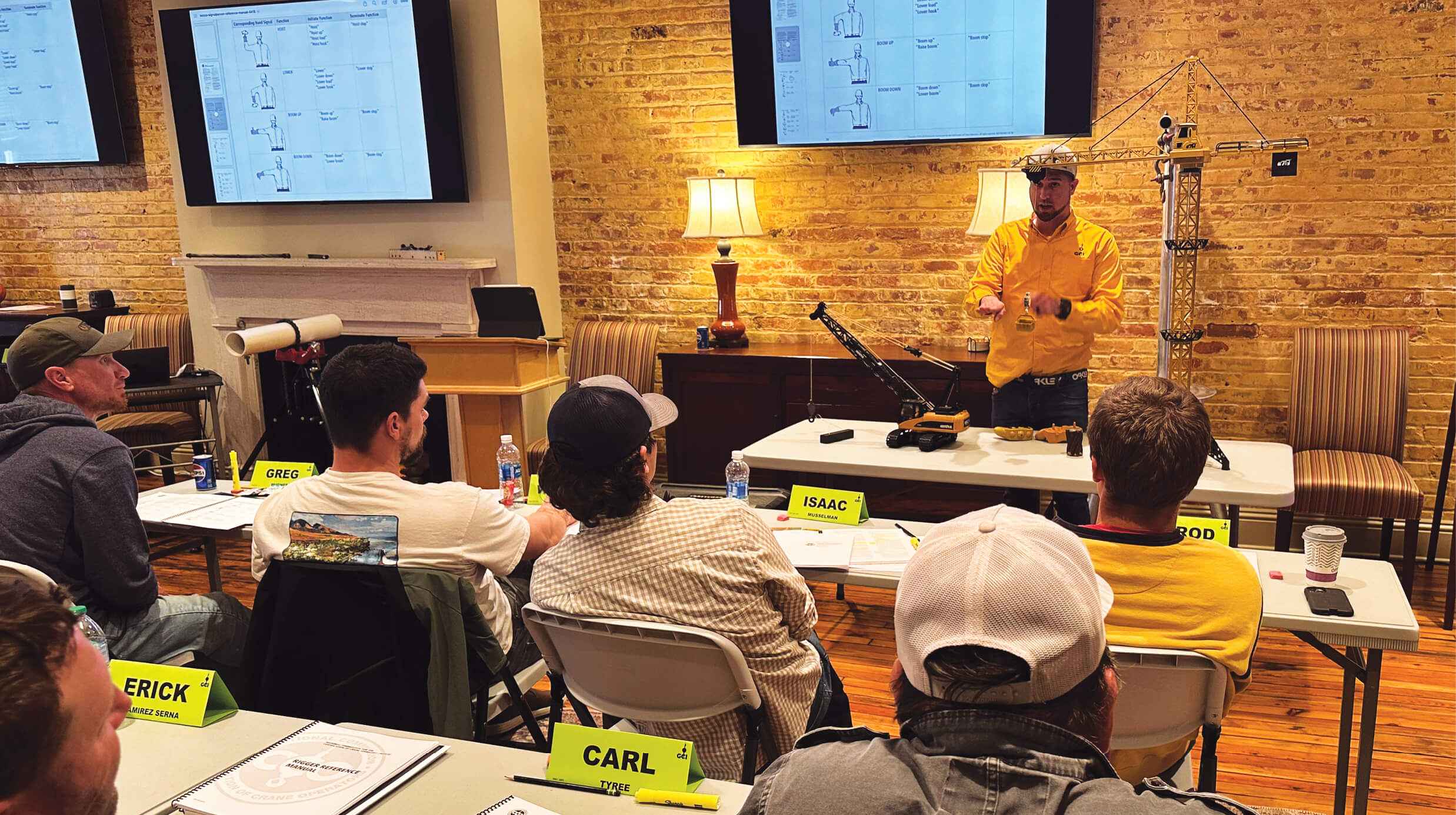
Hands-on operation is central to the curriculum. GCI has the cranes and equipment on-site to allow trainees to practice under conditions that will prepare them for certification. For most candidates, working on actual equipment better prepares them for the challenges of the field in comparison to simulators.
“We don’t call it training,” noted K.C. Wallace, subject matter expert and instructor with GCI. “We actually call it an educational experience. We want it to be an experience. That’s what I tell all of our candidates. I’d much rather answer candidates’ real-world questions than read from a PowerPoint all day.”
Class sizes are intentionally limited, allowing instructors to adapt lessons on the fly based on participants’ performance. Interactive tools reinforce exam prep and highlight areas that need extra attention, while discussions often draw on real-world experiences shared by operators from a variety of industries.
These conversations also encourage peer learning, helping operators see how safety standards are applied in practice.
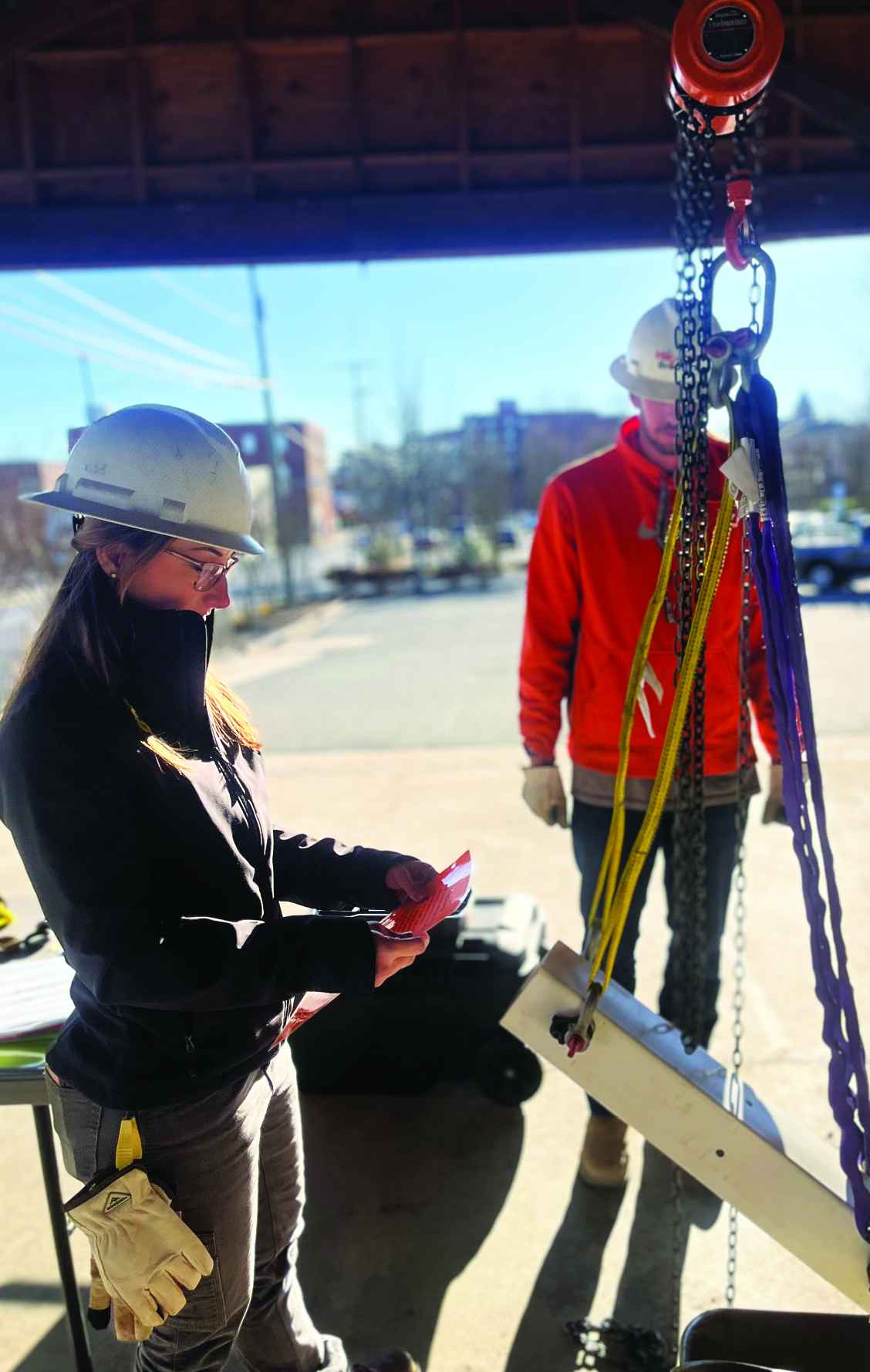
“If candidates have a real-world question or real-world scenario that they’re not sure if they handled it right, now’s the time to ask about it and now’s the time to talk about it,” Sarah Elisabeth, COO of GCI, added. “Because they’re in a room not just with the instructor’s experience, but they’re also in a room with other people who bring sometimes 20 to 30 years of experience.”
By combining hands-on practice with real-world examples, GCI aims to give candidates the knowledge and confidence to uphold safety requirements and serve as informed advocates on their crews.
Customized Training
GCI builds training programs around the needs of both the employer and the individual operator. Seat time and classroom instruction are adjusted based on experience: some trainees may only need limited hands-on practice, while others benefit from additional crane time to strengthen their foundation.
Rather than offering one-size-fits-all programs, GCI works directly with employers to match training to specific equipment and job requirements. That might mean extra seat time for newer operators or more educational focus on standards and procedures, depending on what the job calls for.
“We are custom to our clients’ needs,” continued Elisabeth. “We have some clients who come in, and they only need an hour of seat time because they have a crane at their job that they run every day. And then we have people who, for their company, might get in a crane once a week or once a month or once every three months.”
This flexibility lets trainees concentrate on the skills they need most, while companies gain operators who are confident, capable and ready to step onto the jobsite.
Expanding Access
As part of its broader strategy, GCI is developing a four-week New Operator Program aimed at beginners and career changers, with a planned launch in August 2026. The program addresses a common hurdle for new operators: limited access to crane seat time when companies are hesitant to put inexperienced workers on expensive equipment.
“We’re working on launching our New Operator Program, that’s going to take people who are just trying to get into a career path,” Elisabeth shared. “So this could be younger people who have just finished high school or have spent some time in a community college, or people like me who are in a career and looking to pivot to something completely different.”
Elisabeth previously spent 11 years as a registered nurse before pivoting into the crane and rigging industry. The program is expected to attract participants from a variety of backgrounds, combining classroom sessions with hands-on crane operation over the four weeks to give trainees consistent exposure to real equipment.
In addition to technical skills, the curriculum includes workforce readiness topics such as budgeting, resume building and negotiation skills, areas often overlooked in certification-focused programs.According to GCI, the New Operator Program is expected to cost less than one semester at a traditional university, positioning it as a cost-effective alternative to a four-year college education.
Trades as a Career Choice
Beyond training programs, GCI works to position crane operation and rigging as viable, skilled career paths. The company partners with schools and community organizations to give students a firsthand look at opportunities in the trades, challenging misconceptions about blue-collar work while highlighting the technical skills and problem-solving required in the industry.
GCI serves the Mid-Atlantic region and provides on-site training to meet the needs of employers and trainees who do not wish to travel. By combining hands-on experience, practical tools and industry knowledge, GCI aims to build a pipeline of skilled professionals ready to enter the workforce with confidence and a clear understanding of their responsibilities on the job.