On the Floor, In the Conversation
2026 SC&RA Crane & Rigging Workshop exhibitors share the ideas, challenges, and connections discussed on the show floor
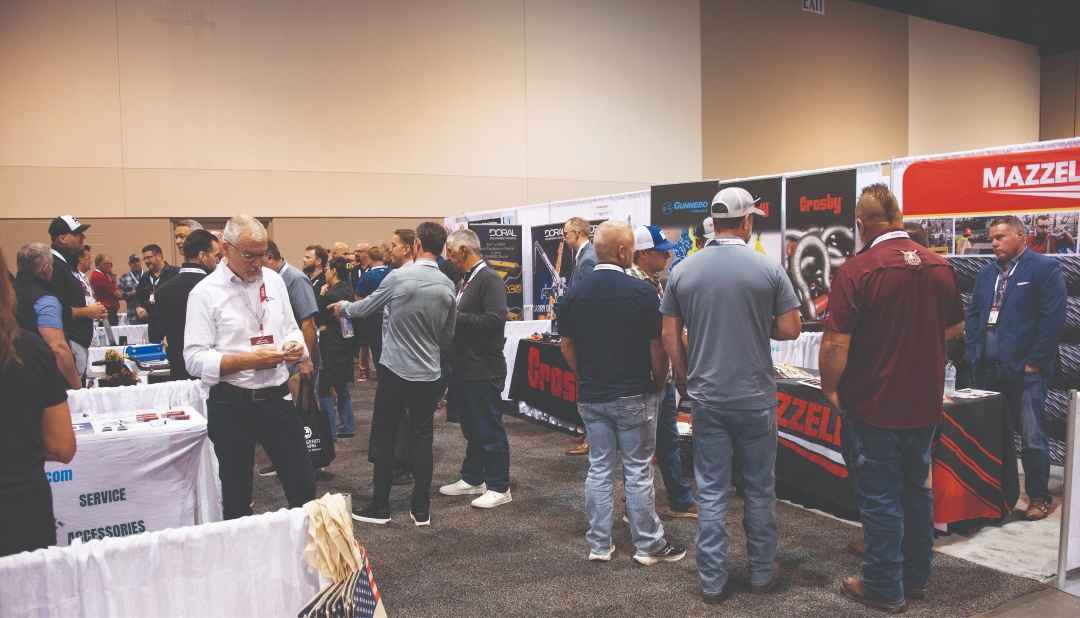
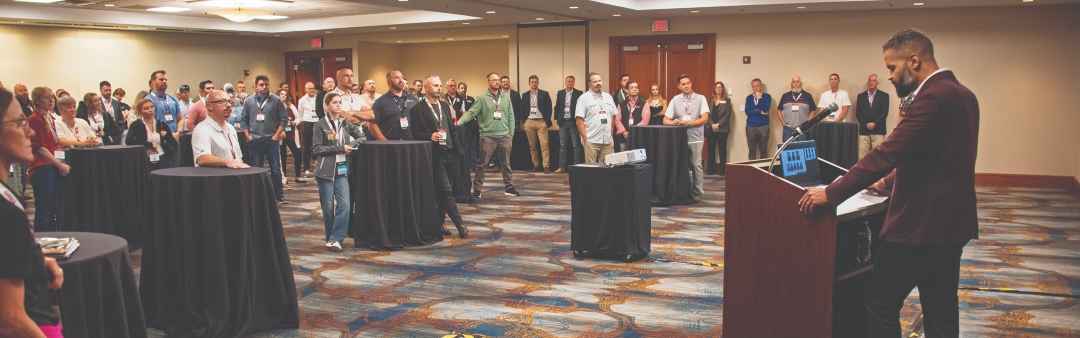
The 2026 Specialized Carriers & Rigging Association (SC&RA) Crane & Rigging Workshop wrapped up September 24 in Omaha, Nebraska, with 753 attendees, including 158 first-time attendees, 96 exhibitors, and 39 attendees from 10 different countries.
Beyond educational sessions and exhibits, the workshop provided opportunities for candid conversations about the industry’s day-to-day challenges.
Beth O’Quinn, SC&RA senior vice president of crane and rigging, emphasized the value of bringing industry professionals together in person.
“Across sessions, the exhibit center, and informal conversations, there was a strong exchange of ideas and experiences,” O’Quinn said. “Safety, practical problem-solving, and the importance of staying current with technology were consistent themes.”
O’Quinn also noted a positive outlook among attendees, with companies focused on serving customers, investing in operations, and preparing for the future. Responses from attendees and exhibitors offered a closer look at those conversations and the issues shaping the industry.
First Impressions
The 2026 workshop exhibit center sold out, bringing together familiar names and companies newer to the crane and rigging industry. For some exhibitors, the first impression was shaped as much by the attendees as the event itself.
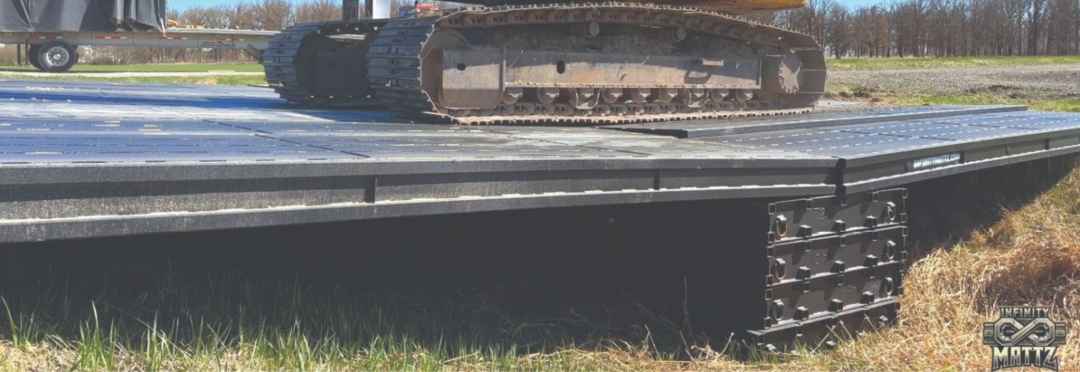
For Infinity Mattz, manufactured by Heatmor, the workshop was a chance to connect with experienced professionals and get a better understanding of the crane industry.
“As a new manufacturer with a new product in this field, it was great to experience how friendly and generally open to discussing new ideas and concepts many of the attendees were,” Matt Kvien, vice president of Infinity Mattz, noted.
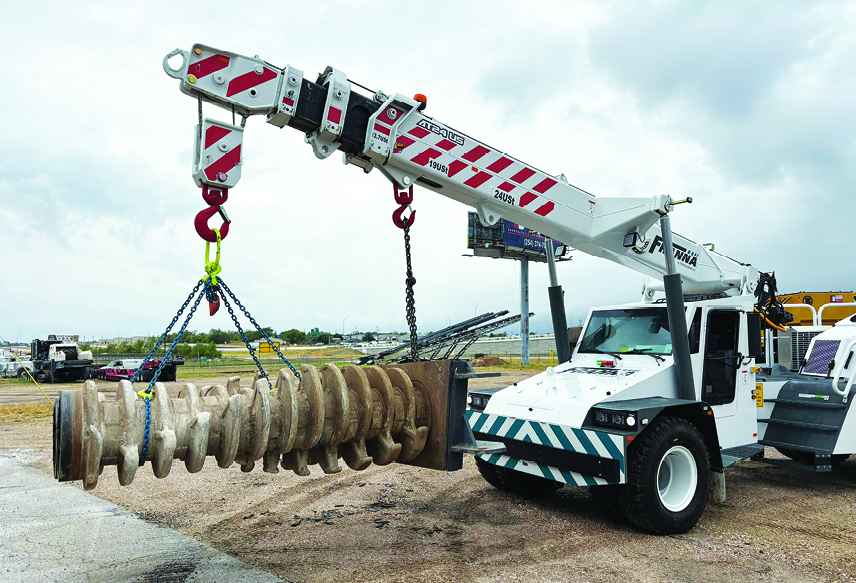
Franna, a Terex brand, also found that the audience provided an opportunity to introduce the brand to U.S. crane and lifting companies, who may have been unfamiliar with its availability in the market.
“What stood out to me was how focused the audience was,” Vianney Largillier, North America sales manager for Franna, stated. “It may be a smaller event, but many of the crane and lifting companies we want to reach were there.”
The engagement from the audience was another notable piece of the event for many new exhibitors. Broc Marquis, president of Bigelow Safety, noted that there was genuine interest in learning about new solutions from the attendees.
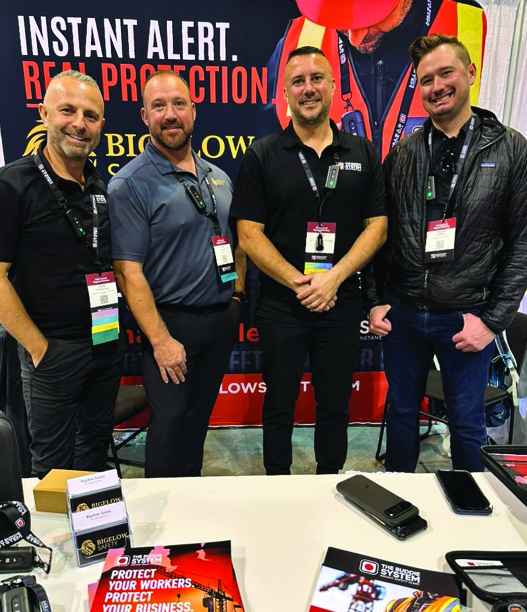
“As a first-time exhibitor, we were impressed by how willing people were to stop, ask questions, share their own experiences, and have meaningful conversations about safety,” Marquis said.
For many exhibitors, the audience made a strong impression. Robert Gowder, account manager at Vertical Supply Group, reflected on how smaller shows can sometimes vary in their value to exhibitors.
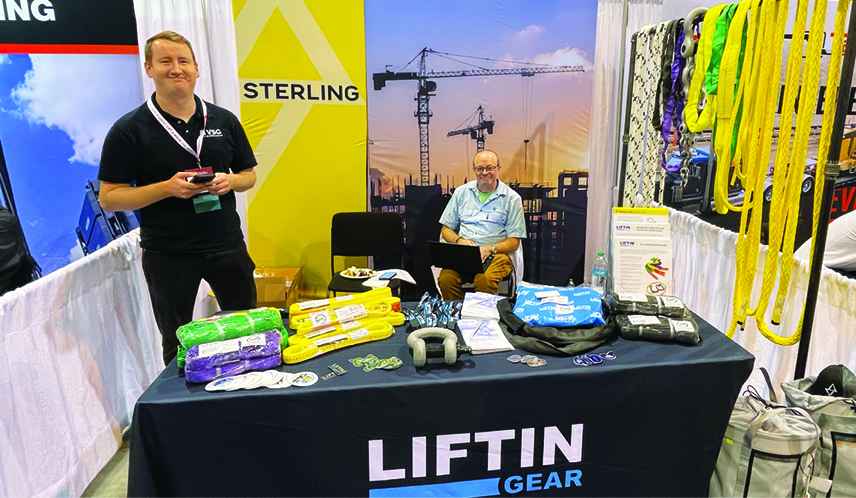
“Relatively smaller shows can be a gamble – sometimes they’re a ghost town and sometimes a fantastic opportunity,” Gowder noted. “This was the latter. I felt we encountered a friendly and knowledgeable crowd.”
Conversations Taking Place
In such an illuminating atmosphere, it can be easy to find important discussions taking place. Beyond the exhibit floor, industry professionals exchanged ideas, discussed shared challenges, and considered where the industry is headed next.
Workforce Development
While the crane and rigging industry continues to grapple with workforce shortages, discussions focused on attracting new workers, developing skills, and retaining experienced professionals.
The Labor Committee Meeting reviewed its labor-focused SWOT analysis, including recruitment pipelines, skills development, and career progression.
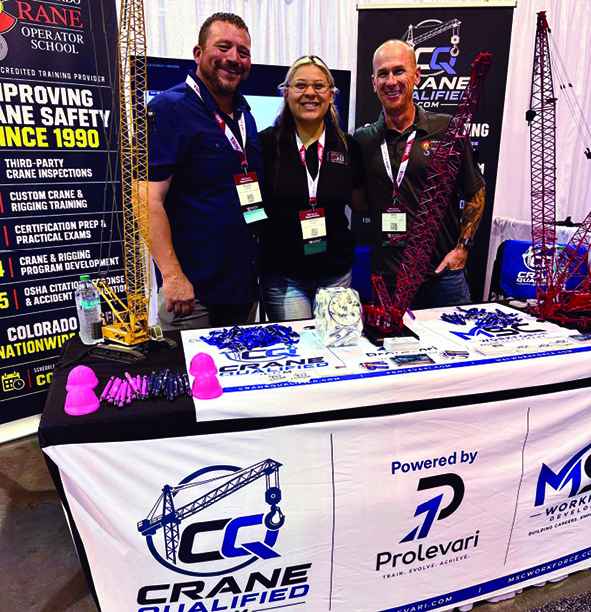
For Russ Gallivan, director of operations at Colorado Crane Operator School and CraneQualified, workforce concerns surfaced even in conversations that began with other topics.
“Workforce kept coming up, even when the discussion started with tariffs, data centers, technology, or insurance,” Gallivan said. “Companies need people who can grow into the work ahead of them.”
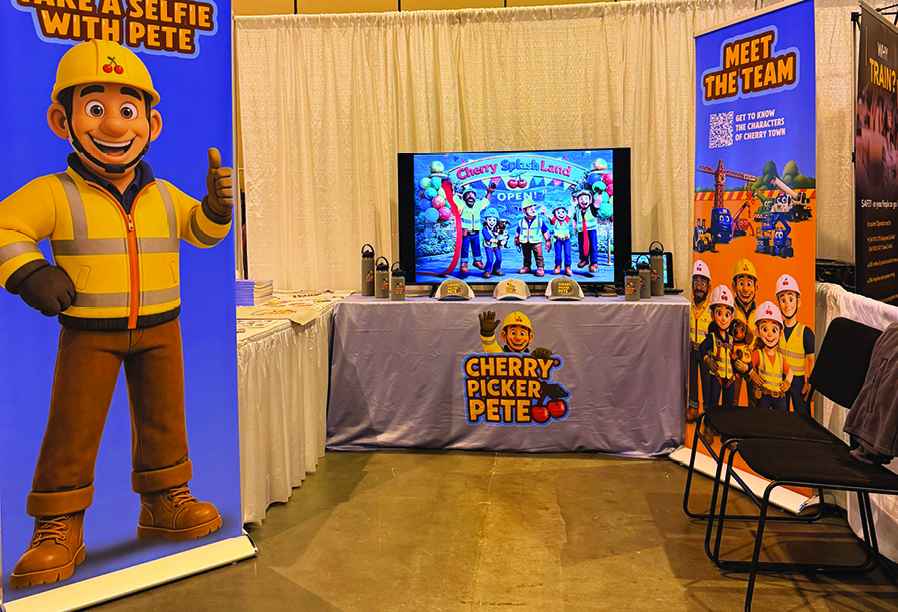
Lydia Hird, director of creation at Cherry Picker Pete, also heard discussions about attracting younger generations and passing on industry knowledge.
“Technology, AI, and new equipment will continue changing how the industry operates, but we will still need skilled, knowledgeable, and safety-conscious people to operate, engineer, maintain, and manage it,” Hird said.
Safety and Communication
Safety discussions addressed lift director responsibilities, planning, and jobsite communication. Gallivan also took an interest in the sessions on lift director roles and responsibilities and ASME P30.1.
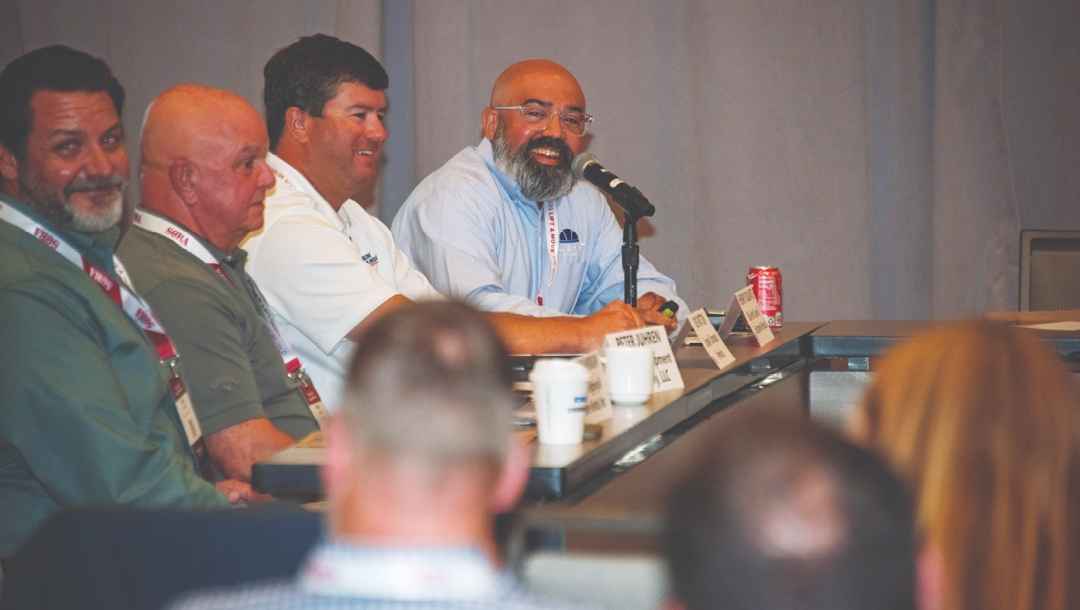
“The session on lift director roles and responsibilities reinforced how much clear responsibility matters on a crane jobsite,” Gallivan noted. “The ASME P30.1 discussion on planning load-handling activities connected well with it. Both brought the conversation back to the work itself and the people responsible for it.”
Some conversations also highlighted how technology can help workers communicate hazards to crane operators.
“We are especially interested in how technology will continue to support human decision-making and communication on jobsites,” Marquis said. “AI, automation, and connected technology have tremendous potential, but we are equally interested in practical safety technologies that give workers better ways to communicate and respond to changing conditions in real time.”
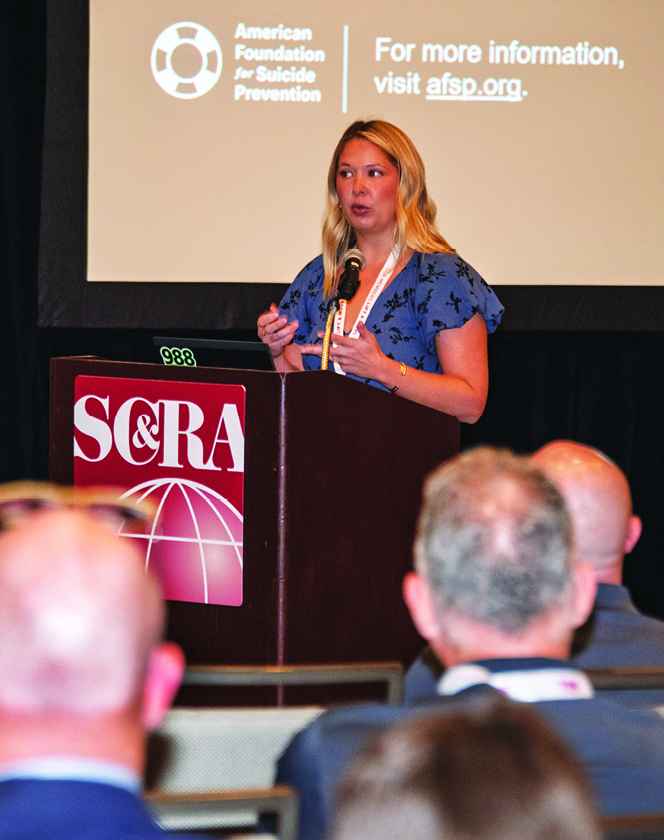
SC&RA also announced its Hard Hat Courage partnership, bringing mental health and suicide-prevention resources into the industry’s safety conversation.
Technology
Artificial intelligence (AI) was another topic extending beyond the keynote. O’Quinn noted that attendees discussed its potential applications in everyday operations.
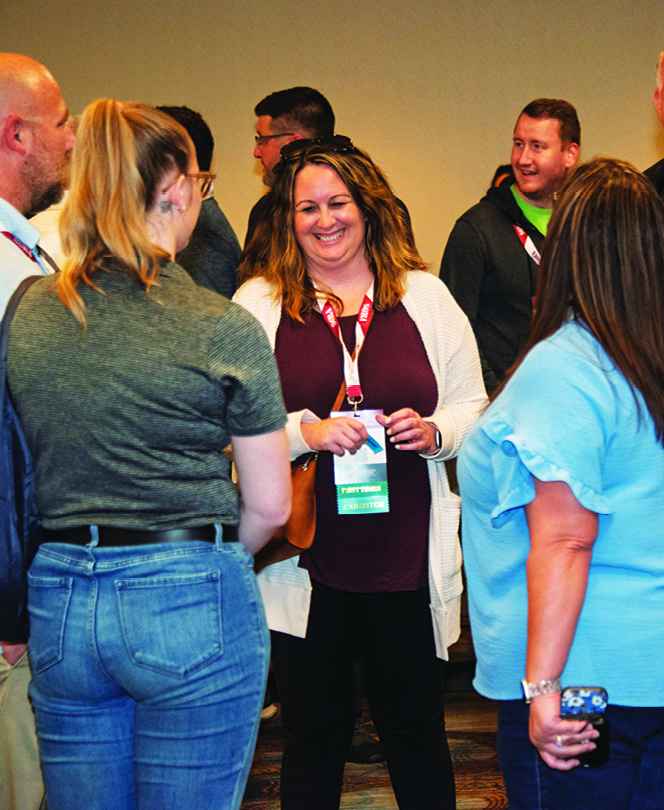
“There was interest in its potential to improve productivity and efficiency, along with thoughtful discussion about how it can complement but not replace the experience and judgment of industry professionals,” O’Quinn stated.
Other topics included machine-learning-based rope inspection, operations platforms, and synthetic lifting chain, reflecting the range of technologies attendees were evaluating.
Beyond the Sessions
The discussions taking place weren’t solely focused on education, either, and often included equipment selection, operational challenges, investment decisions, and more. The exhibit center exposed participants to a range of equipment, services, and business considerations. Conversations went beyond new products to address how companies could pay for equipment, apply it to specific jobs, and integrate it into their operations.
Largillier noted that many conversations centered on explaining the Franna’s pick-and-carry crane model and how it could fit into customers’ operations.
“The question I heard most was simply, ‘What can a Franna crane do?’’’ he explained. “That gave me the chance to explain the pick and carry concept: lifting a load and travelling with it without having to set up outriggers for each lift.”
Infinity Mattz also found interest from attendees in the weight and strength of the mats for challenging jobsites. One conversation led to a potential partnership.
“We were approached almost immediately in the exhibit hall by another exhibitor with an adjacent product to ours about how our product lines might work together to expand growth opportunities for both companies,” Kvien recalled. “Connections like this are one of the biggest benefits we realized from the show.”
Vertical Supply Group, meanwhile, heard demand for reliable slings and rigging ropes, as well as interest in equipment used to protect sensitive surfaces during crane movement. Gowder also saw opportunities to connect with crane training companies.
“Companies and operators are always looking for reliable, quality gear. Quick delivery is paramount, and we can deliver on that,” Gowder said.
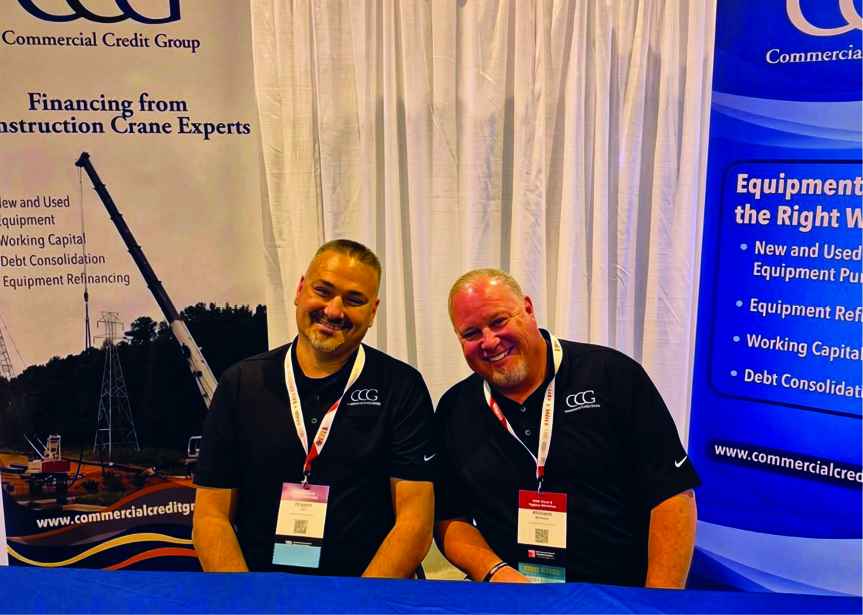
For William Wallwin, regional sales manager at Commercial Credit Group, conversations often turned to the financial side of equipment decisions.
“One topic that came up frequently was funding, specifically, how companies are securing financing for new equipment, technology investments, and fleet modernization,” Wallwin stated. “It was valuable to hear different perspectives on the resources available and the creative ways businesses are investing in growth while adapting to changing market conditions.”
Being in the Room
Beyond introducing new products and discussing critical conversations within the industry, the workshop provided an essential space for networking and meeting peers that made just being in the room valuable.
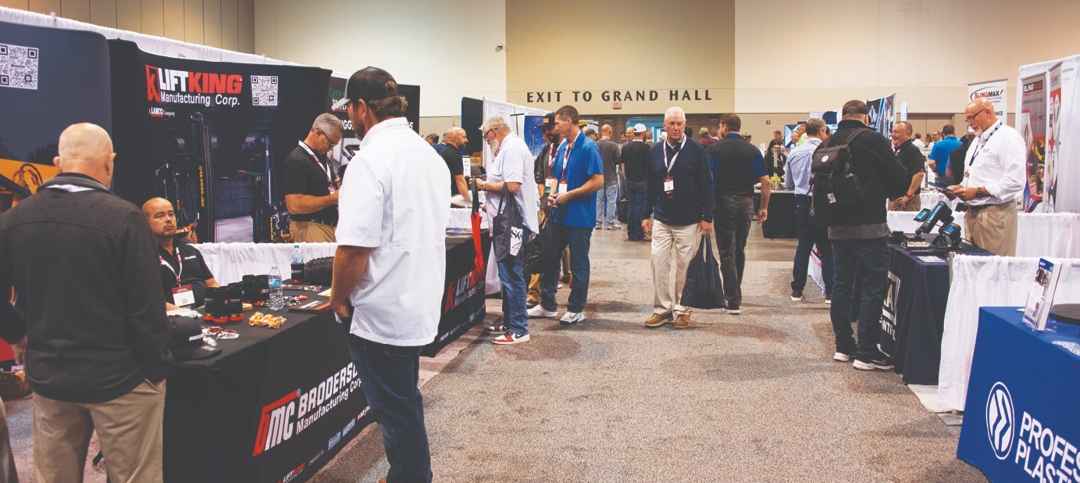
In-person conversations helped participants move beyond initial introductions, and first-time exhibitors found that those exchanges provided not only opportunities to explain their operations but to also hear directly from other industry professionals.
Hird recalled the repeated conversations with attendees who initially approached the booth for the characters on display but left with insights and ideas for connecting with children in their own communities.
“That transition from ‘What is Cherry Picker Pete?’ to ‘How can we get involved?’ was very rewarding,” Hird said. “It showed us that there is space within the crane and rigging industry for a project like ours.”
For Largillier, that meant follow-up conversations with companies considering where Franna cranes could fit into their fleets and upcoming projects, while Gallivan connected with employers interested in operator development and qualification tracking. For many exhibitors, these conversations went beyond introductions, opening the door to future collaborations and solutions to specific business needs.
At the end, it really boils down to the connections made, the people met.
“I met several people who I expect will become valuable professional contacts,” Wallwin said. “From the networking times to the exhibit center, it was clear that this event brings together people who genuinely want to share knowledge, build relationships, and move the industry forward.”
Taking the Conversation Back To Work
The 2026 SC&RA Crane & Rigging Workshop provided committee discussions on tower crane engineering and wind design, workforce priorities, mental health, near-miss lessons, and tariff-advocacy, but these conversations are more than just talk. They often lead to work that continues beyond the workshop, from SC&RA’s tariff-relief efforts into 2027 to its mental health and suicide-prevention initiatives.
Alongside these initiatives, participants took different concepts back to their businesses, from potential business relationships and new equipment applications to ideas for workforce development and practical uses for technology.
“The Workshop continues to serve as a place where established industry professionals and newcomers can connect, exchange ideas, and get a sense of where the industry is headed,” O’Quinn concluded.
O’Quinn expects that momentum to carry into next year’s workshop in Lexington, Kentucky, September 28 to 30, 2027.