Performance Under Pressure
Ground stabilization is not a secondary consideration in lifting operations
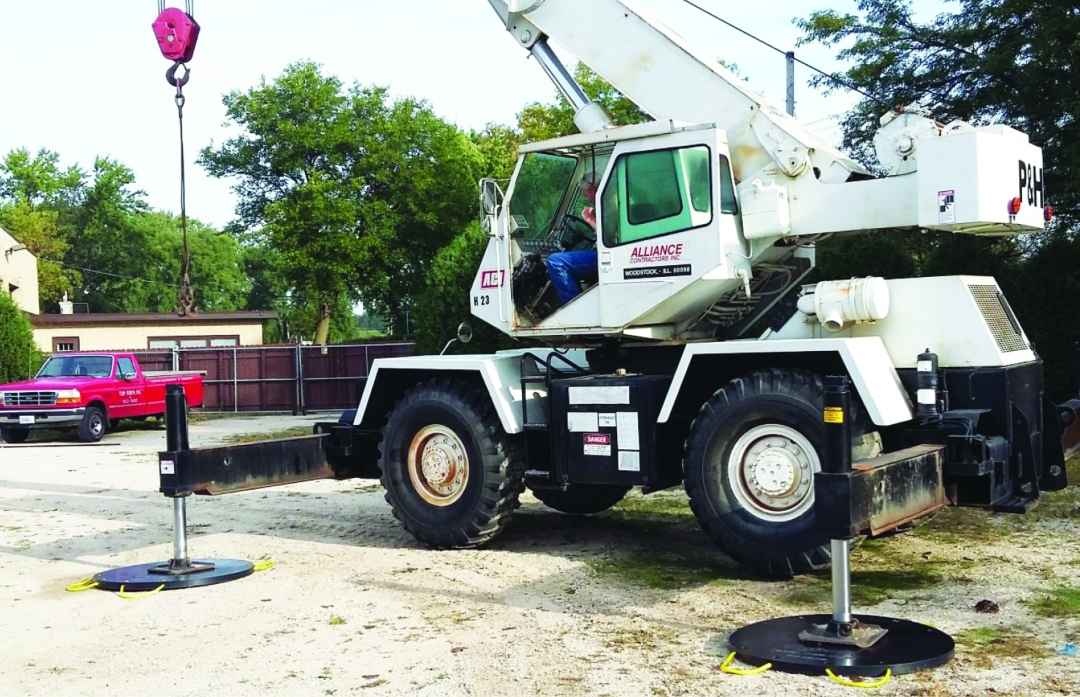
On April 24, the industry recognizes National Outrigger Pad and Crane Mat Day, a reminder that because cranes and other heavy equipment rely on four points of contact with the ground, outrigger pads carry immense responsibility every day of the year. When they perform as intended, they go unnoticed. When they don’t, the consequences can be severe.
No matter how advanced the equipment or how experienced the operator, lifting success depends on what lies beneath the machine. Unstable soil, shifting terrain or excessive ground pressure can undermine even the most carefully engineered lift plan.
Proper outrigger pads and crane mats serve three essential functions:
- They maintain level positioning in accordance with manufacturer specifications.
- They broadcast loads effectively by reducing ground bearing pressure and increasing surface area.
- They prevent settlement and instability to protect crews, infrastructure and equipment from tipping, sinking or collapse.
When ground pressure exceeds soil capacity, risk escalates quickly. That’s why stabilization is not simply about placing material under an outrigger. It’s about understanding soil composition, load forces and surface conditions before setup begins.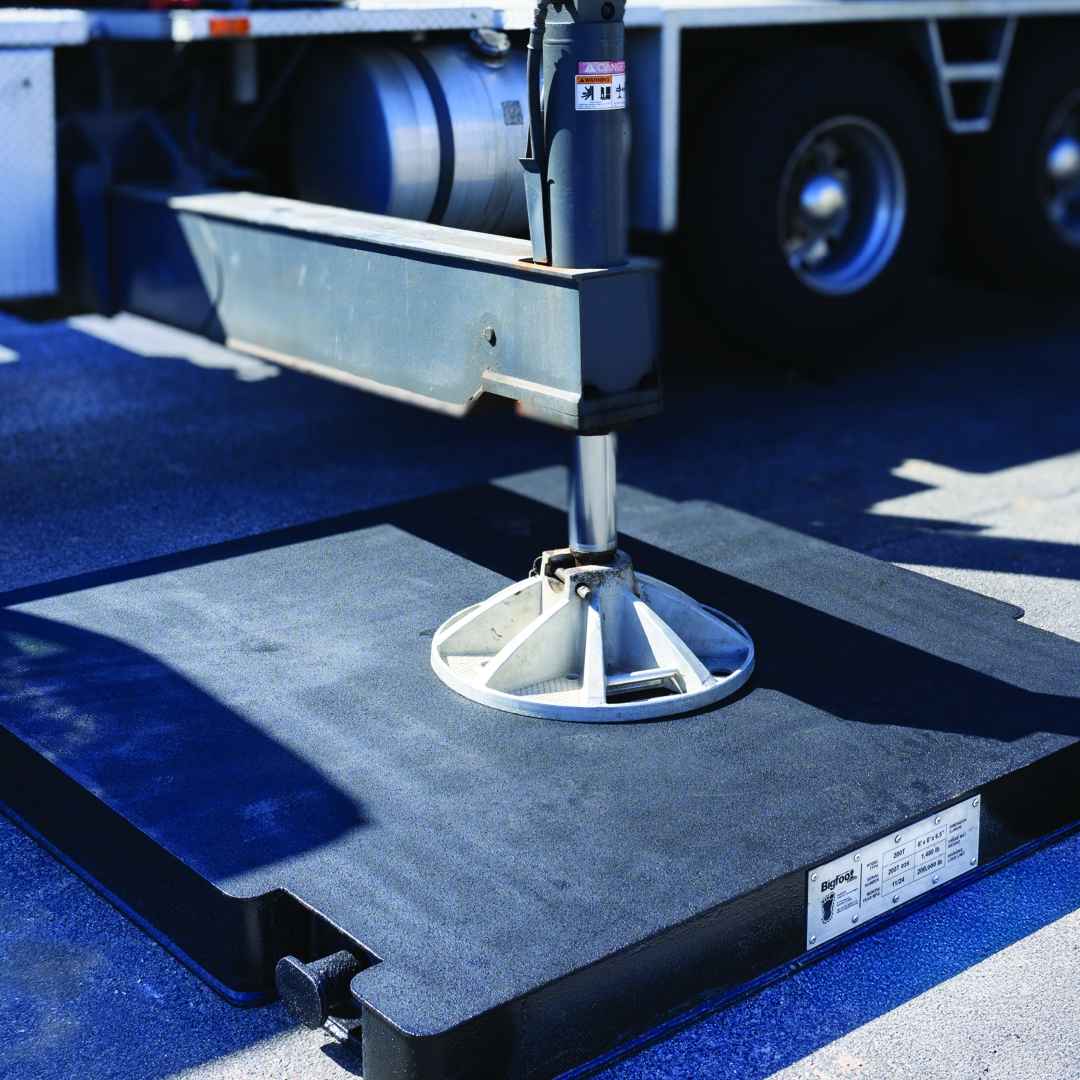
Standards That Support Safe Lifting
Regulatory and industry standards reinforce the importance of proper ground preparation.
The Occupational Safety and Health Administration (OSHA) requires that equipment only be assembled and operated on ground that is firm, properly graded and capable of supporting the imposed loads. When necessary, supporting materials must be used to meet manufacturer specifications for stability.
Similarly, ASME standards specify that blocking beneath outrigger floats must be strong enough to prevent crushing or structural failure and large enough to fully support and transmit loads without shifting or excessive settlement.
These guidelines reflect lessons learned across decades of field experience.
Best Practices Beyond Placement
Safe lifting requires more than simply setting pads under outriggers. It demands planning and evaluation that includes:
Starting with assessment — Soil type, moisture content and compaction all influence allowable ground bearing pressure. In some cases, engineered calculations or consultation with a geotechnical professional may be required to determine appropriate pad size.
Selecting materials — Equipment weight, lift configuration and environmental conditions should guide pad or mat selection.
Inspecting regularly — Pads and mats endure significant stress. Routine inspection for wear, cracking or structural compromise ensures they remain capable of performing as designed.
When these practices are integrated into lift planning, crews reduce uncertainty and improve overall jobsite performance.
Choosing the Right Material
Material selection directly affects durability and effectiveness. Available options are:
- Wood mats remain a cost-effective solution in many applications, particularly in drier environments.
- Steel mats provide exceptional strength for high-capacity lifts and demanding ground conditions.
- Composite pads offer lighter weight, resistance to moisture and chemicals and long service life.
In many cases, a layered approach delivers the best results. Combining materials can enhance load distribution while protecting equipment components, particularly aluminum outrigger shoes. These transition setups optimize both performance and longevity.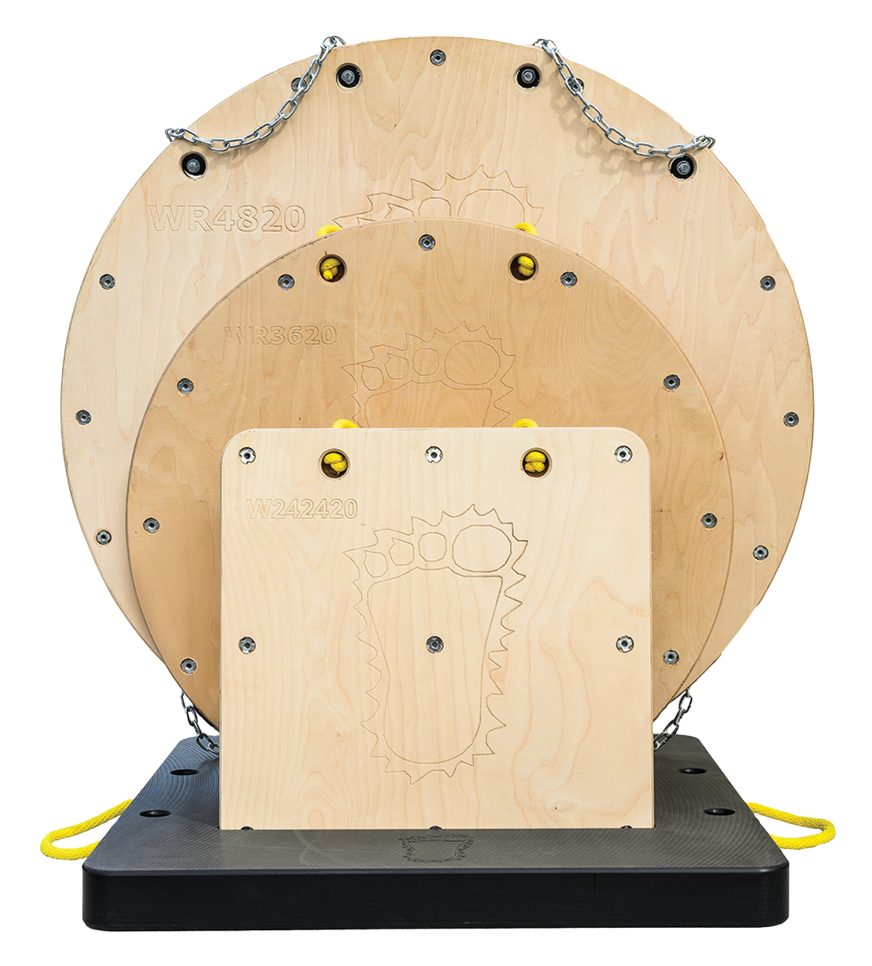
Design Details Make a Difference
Functionality extends beyond material alone.
Handle configuration, whether rope, rubber or integrated cutouts, influences how safely and efficiently pads can be transported and positioned. As pad size increases, so does the need for reinforced handling solutions.
Shape also plays a role. Round pads are often easier to maneuver into place, especially at higher weights. Square and rectangular designs may provide greater surface coverage but can require additional equipment to move.
Engineered features such as non-slip surfaces, interlocking systems and custom dimensions further refine performance in specialized applications.
A Foundation for Every Successful Lift
National Outrigger Pad and Crane Mat Day is more than an annual observance. It is a reminder that lifting safety begins at ground level.
As lifting technology continues to evolve, with larger capacities, tighter tolerances and more complex projects, the importance of reliable ground stabilization only increases.
Investing in proper pads, mats and planning is not an added expense; it is a safeguard for people, equipment and project outcomes. In lifting operations, performance under pressure is determined by what supports the load from below.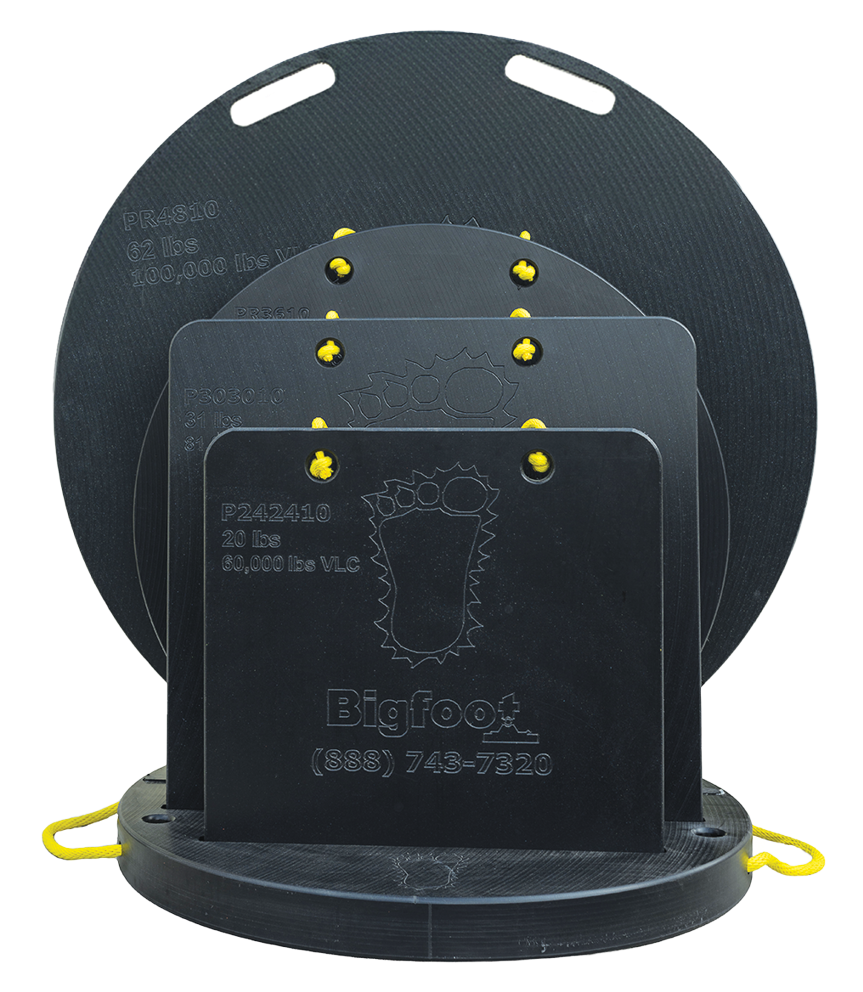
Jeff Steiner is the CEO and the chief product officer at Bigfoot, Construction Equipment, the provider of a range of outrigger pads for lifting operations.