
Avoiding Problems
Addressing changes in winter lifts keeps jobs running smoothly and safely
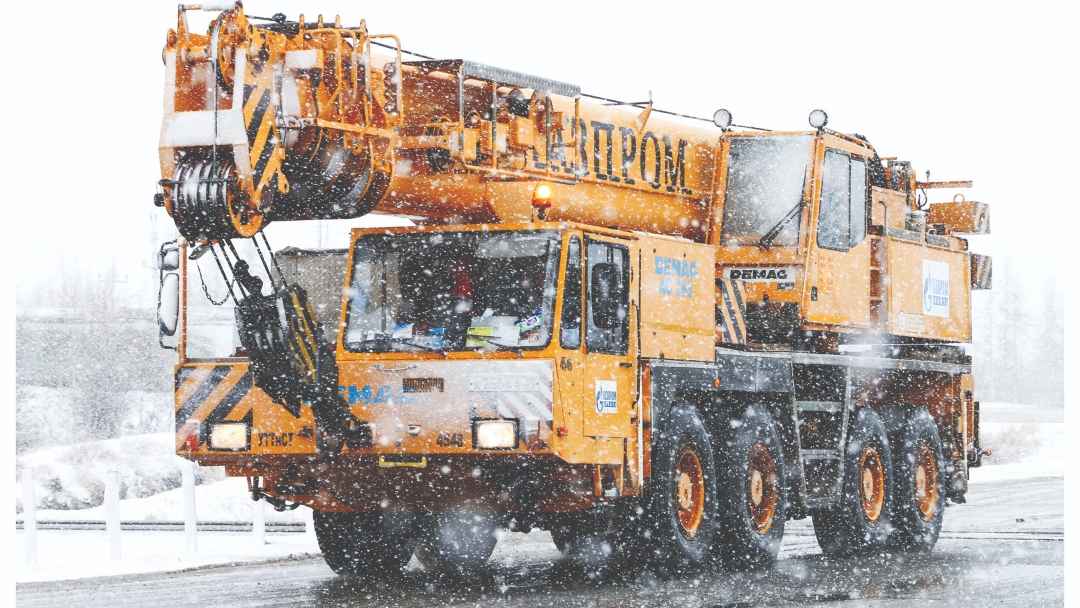
Working with cranes when it’s cold out isn’t just about putting on a thicker coat. The cold changes how machines work and what’s safe in warmer weather may not be the case when it’s colder.
If you’re planning any cold weather crane operations, it’s smart to know what adjustments you need to make to keep things running and everyone safe.
Fuel and Lubricants
Cold temperatures can impact fluids, leading to slower response times and potential equipment reliability issues. Here’s a quick rundown of what to focus on:
- Fluid Choice: Switch to hydraulic oils specifically designed for cold conditions after checking their compatibility with your crane’s seals. Opting for lower-viscosity hydraulic oil is the key to maintaining performance when temperatures dip below 20 degrees Fahrenheit. Switch to a winter-grade engine oil as well.
- Filter Replacement: Make it a habit to replace fuel and hydraulic filters at least once a month during the winter months.
- Fuel Tank Management: Keep fuel tanks as full as possible. This helps cut down on condensation forming inside the tank.
- Moving Parts: Apply synthetic grease that’s rated for cold weather to all joints and pivot points. You’ll also want to do daily checks on lubrication points and pay close attention to valves and seals as these are prime spots for ice-related damage.
Warming Up
Always run the engine through its warm-up cycles. This helps protect hydraulic parts before they’re put under load. Letting the engine run allows oils to circulate and reach operating temperature
Cold weather can also impact how much weight your crane can safely handle. Steel gets more brittle when it’s freezing, reducing its ability to absorb shocks. Because of this, you often need to reduce the amount you’re lifting compared to warmer months. It’s also a good idea to check your manufacturer’s guidelines, but when in doubt, lift less.
Wind is always a factor in crane operations, but in winter, it can be even more unpredictable. Snow and ice can add extra surface area to loads, making them more susceptible to wind.
Check the forecast regularly, paying attention to wind speed and expected gusts. Anemometers that measure wind speed at the crane and on the load can provide real-time data.
Know your limits by understanding how much wind a specific crane can handle and plan for what to do if the wind picks up unexpectedly, including securing the load, lowering the boom, or even stopping work altogether.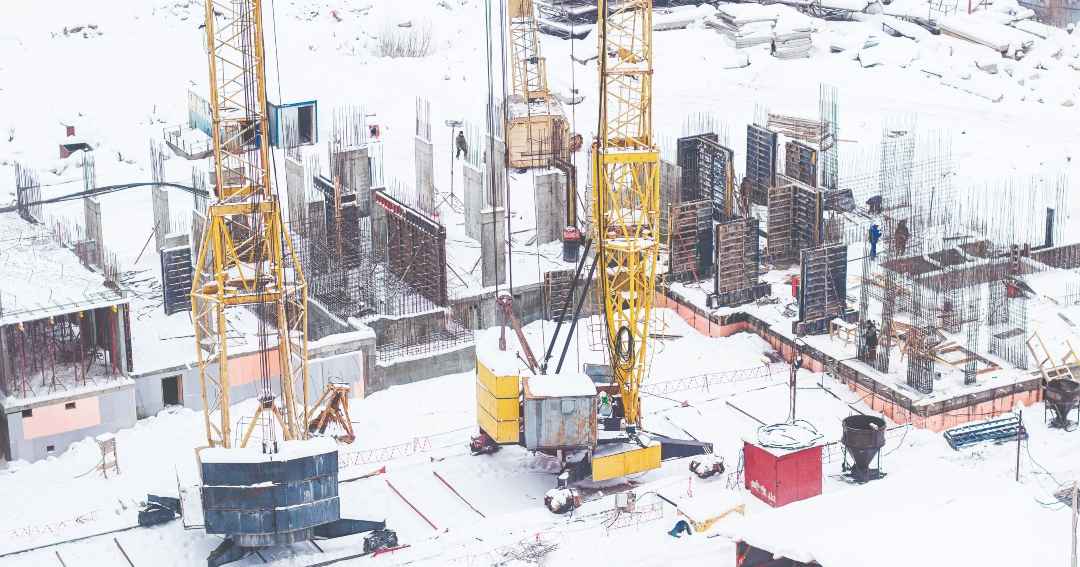
Visibility and Communication
Good visibility is a big part of safe crane operation, and winter definitely makes that a bigger challenge. Shorter days mean less natural light, which can make it harder to see what you’re doing. This is where good lighting becomes even more important. You might need to adjust your work schedule to make the most of the daylight or ensure you have adequate artificial lighting.
Snowfall and fog can drastically reduce visibility. When an operator can’t clearly see the load, the ground crew, or potential obstructions, the risk of an accident goes up. That’s when clear communication with ground crews becomes even more important.
A solid communication system is the key, including reliable radios and clear hand signals. Practicing communication in less-than-ideal visibility can help teams work together smoothly and safely, preventing misunderstandings that could lead to accidents.
Ensuring Crew Safety
Working on a construction site during the colder months is not just about the crane; it’s also about the people operating it and working around it. Good winter clothing is insulated and waterproof. Proper gear helps prevent issues and keeps everyone more comfortable and alert. Ice and snow can quickly turn a familiar walkway into a hazard zone.
Making sure pathways and platforms on the crane are clear and treated with anti-slip materials and regular checks of the site are important.
When operating in winter conditions, always reassess ground stability. Freezing and thawing cycles can make the ground unpredictable, potentially leading to the crane shifting or sinking. Keep a close eye on the surface beneath the outriggers and be prepared to adjust or stop operations if the ground becomes unstable.
Post Operation Care
Think of it as a quick health check for your equipment. After operating in freezing temperatures, look for ice buildup, especially around moving parts and electrical connections, that can freeze up mechanisms or cause damage.
Before storing the crane, make sure to clear off all the snow and ice. Pay attention to the operator’s cab, the boom, the hoist ropes, and any other surfaces where snow can accumulate.
When it’s time to park the crane, storing it properly is essential. If you can, park it indoors. If not, use protective covers to shield it from the elements. This also applies to rigging gear and any other equipment. Store straps, slings, and other accessories in a dry, protected area.
Cold weather during crane operations isn’t just an inconvenience; it actually changes how the equipment works. When you’re working with cranes, especially when the temperature drops, paying attention is the key to keeping things safe and on schedule.
Marty Shuman is the owner and an inspector/trainer at Certified Safety Experts, the provider of crane training, certifications, qualifications, and inspections.